
Easter has always been one of our favourite times of the year at The Barn Garden Centre. Spring is finally in full swing. Garden are coming back to life and the long weekend gives us all a chance to slow down, spend time with family and enjoy some lovely seasonal traditions.
One of the simplest and most beautiful Easter traditions is refreshing your front door and entrance with seasonal plants. Bright spring flowers like primroses, daffodils, pansies and tulips instantly create a warm welcome for visitors to set the tone for the weekend.
A rustic planter, basket filled with spring colour or even a few pots grouped together can make a big impact. It is also a lovely way to celebrate the new season and brighten your home after the winter months.
Why not finish off the front door glow up with a fresh new door mat and spring inspired wreath for your front door.
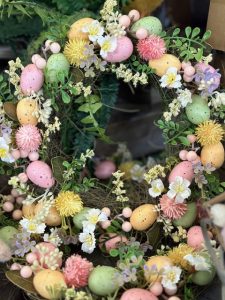

A visit from the Easter Bunny and an Easter Egg hunt is a timeless tradition for families. Garden make the perfect setting, whether you’re hiding chocolate eggs amongst the flower beds behind pots or tucked into shrubs.
It is a great way to get everyone outdoors and enjoying the fresh spring air. Another tip – don’t leave shiny wrapped sweet treats as your local magpie family might steal them all!

Easter is a wonderful time to start planting. The soil is warming up and many plants are ready to go in the ground. Whether it is colourful bedding, herbs for the kitchen, early vegetables or a beautiful magnolia or blossom tree, planting over the Easter weekend can become a lovely annual tradition.
If you’re hosting lunch over the long weekend, adding a few natural touches to your table makes if feel extra special. Try using:
These simple touches bring the garden indoors and create a relaxed seasonal feel.
Perhaps the best Easter Tradition of all is simply spending time outside. Whether it’s a morning coffee in the garden, an afternoon pottering or a family BBQ, the ling weekend is the perfect opportunity to enjoy your outdoor space again.
Spring is such a hopeful season and Easter always feels like the real start of the gardening year.
From all of us a The Barn Garden Centre and The Boxwood Café, we wish you a lovely Easter and a relaxing long weekend filled with family, fresh air and plenty of spring colour. Remember we are closed on Easter Sunday, but will be open as usual across the rest of the weekend.
We look forward to seeing you soon.
As winter begins to loosen its grip, there’s a quiet but exciting shift happening in our gardens. At The Barn Garden Centre, we’re starting to see those first, hopeful signs that spring is just around the corner.
Snowdrops and crocuses are in full bloom adding splashes of colour to beds, borders, pots and containers. Daffodil buds are opening promising brighter days ahead. You might also notice birds becoming more active with early morning bird song returning as they prepare for the nesting season.
This is the perfect time to start getting your garden ready. Early spring favourites like primroses, pansies and hellebores are ideal for adding instant colour. If you’re planning ahead, seed potatoes, onion sets and a wide range of seeds are now available in store! Perfect for getting a head start on the growing season.
Don’t forget the essentials too. Fresh compost, plant feed and new tools make all the difference as you prepare your soil and tidy up after winter. A few new pots and containers can also brighten up patios and doorways as the days continue to grow longer.
Spring is a season of renewal and there’s no better time to get outside, get growing and enjoy your garden starting to come back to life. We look forward to welcoming you soon to help you make the most of the new season ahead.
To help improve your experience when visiting us, we will be carrying out essential work to resurface our car park.
Both The Barn Garden Centre and The Boxwood Café will be closed on Monday 26th January 2026 while work takes place. Heavy machinery will be in use through the day, so for everyone’s safety we will not be open to customers.
To keep disruption to a minimum, work will continue on Tuesday 27th January, but we will be open on this day. Please however be mindful of any signage in place and park sensibly when visiting.
We apologise for any inconvenience this may cause and thank you for your patience while these improvements are carried out, We look forward to welcoming your back once the work is complete.
Thank you for your continued support,
The Barn Garden Centre and Boxwood Café
Every winter, gardens across the UK come alive with fluttering wings, cheerful calls and the unmistakable excitement of the RSPB Big Garden Birdwatch. With the RSPB Big Garden Birdwatch just around the corner, now is the perfect time to start preparing your garden to welcome birds and enjoy the simple pleasure of watching them thrive.
The RSPB Big Garden Birdwatch is the world’s largest wildlife survey inviting people to spend just on hour counting the birds that visit their garden, balcony or local green space. The information collected helps conservationists understand how our garden birds are faring and highlights which species may need extra support.
It is easy to take part, suitable to all ages and a wonderful way to connect with nature, whether you are an experienced birdwatcher or simply enjoy seeing robins hop across your lawn.
Gardens play a vital role in supporting bird populations especially in the colder months when natural food sources are scarce. By providing reliable food, fresh water and safe shelter, you are helping birds conserve energy and survive winter and encouraging them to return year after year.
Even small changes can make a big difference.
To make the most of Big Garden Birdwatch 2026, now is the ideal time to set up or refresh your bird care routine:
Food: Different birds prefer different foods. Seed mixes attract sparrows and finches, suet and fat balls are perfect for tits and woodpeckers while mealworms are a favourite of robins.
Feeders: Clean, well-placed feeders help keep food dry and accessible while reducing waste.
Water: A shallow bird bath provides essential drinking and bathing water. Remember to check regularly during cold icy weather.
Shelter: Hedges, shrubs and bird boxes offer protection from predators and harsh conditions.
At The Barn Garden Centre, we stock a carefully chosen range of wild bird food, feeders, bird baths and accessories to help you support local wildlife throughout the year. Whether you are topping up your seed supply or looking to attract new species into your garden, our team are always happy to offer advice tailored to your space.
The Big Garden Birdwatch 2026 takes place 23rd – 25th January 2026. Choose and hour on one of those dates, grab a warm drink in a cosy spot by the window and simply count the highest number of each bird species you see at one time. Only record birds that land on your patch. Submit your results online via the RSPB website or by post if you prefer.
Together, we can help protect birds we love while enjoying one on winter’s greatest pleasures.
Pop in to see us for everything you need to get Birdwatch ready. Your garden birds will thank you!
Few plants signal the arrival of Christmas quite like the poinsettia. Their bold red, cream or pink bracts instantly bring warmth and colour to homes during the festive season. However, behind their vibrant appearance lies and interesting history. Read on to find out more along with some care tips to keep them looking their best right through the festive season.
The poinsettia (Euphorbia pulcherrima) is native to Mexico, where it grows as a tall shrub and flowers naturally in winter. Long before it became a Christmas favourite in Europe and the UK, it was cherished by the Aztecs, who used the red bracts to make dye and the milky sap for medicinal purposes.
The plants journey to becoming a global festive icon began in in the 1820’s when Joel Roberts Poinsett, the first US ambassador to Mexico, and keen botanist, fell in love with its vibrant winter colour. He sent cuttings back home and the plant quickly became popular. By the early 1900’s, poinsettias were widely linked to Christmas thanks to their seasonal colour and star-shaped bracts said to symbolise the Star of Bethlehem.
Today poinsettias are one of the world’s best selling festive houseplants available in a wide range of colours and sizes.
How to care for your poinsettia
Despite their reputation for being a little fussy, poinsettias are actually quite easy to care for with the right conditions. Here’s how to help them thrive:
With a rich history and stunning seasonal colour, poinsettias remain one of he most beloved Christmas plants. A little care goes a long way and in return, they bring weeks of warmth and cheer to the home.
Check out the red, white, pink and variegated poinsettias we have in stock now at The Barn Garden Centre. Don’t hesitate to ask our friendly staff if you have any further questions.
Summer is a time of abundance in the garden. Whether you’re nurturing colourful flower beds, harvesting homegrown vegetables or simply enjoying the long warm evenings, there’s much to love about this time of year. At The Barn Garden Centre, we’re here to help you get the best from your garden all summer long.
1. Water Wisely
Hotter days mean your plants need more hydration, but timing is key. Water early in the morning or later in the evening to avoid evaporation and help roots absorb the moisture they need. Focus on the base of the plant rather than a light sprinkle.
2. Deadhead for more blooms
Keep your flowering plants looking their best by deadheading regularly. Removing faded blooms from roses, geraniums, dahlias to name just a few encourages new growth and prolongs flowering right through summer.
3. Feed for Full Colour
Your plants are working hard during this season, so give them a boost with the right feed. Tomatoes, hanging baskets and bedding plants all benefit from regular feeding during the summer. Pop in and ask our team for advice on the best fertilisers for your garden.
4. Keep and Eye Out for Pests
Warm weather can bring out unwelcome visitors like aphids, slugs and vine weevils. Check your plants regularly and act quickly if your spot signs of damage. We stock a range of wildlife-friendly pest control options to help keep everything in balance.
5. Harvest Little and Often
If you’re growing your own fruit and vegetables, regular picking encourages more to grow. Courgettes, beans and salad leaves can be harvested every few days. Don’t forget to check your herbs too. Fresh basil, mint and parsley are at their best in this sunshine!
6. Make the Most of Outdoor Living
Summer is not just for planting. it is also for relaxing! Why not refresh your outdoor space with some new furniture, lanterns or planters? We have a lovely selection in stock to help your create the perfect spot for evening drinks or weekend barbecues.
7. Plan Ahead for Autumn
It might feel like a long way off, but now is the time to start thinking ahead. Late summer is ideal for sowing biennials like foxgloves and wallflowers, and you can start planning where to plant spring flowering bulbs in the coming months.
Whatever your gardening needs this summer, whether it’s compost and watering cans or new plants and expert advice, The Barn Garden Centre is here to help! Come and explore what’s in season, enjoy a coffee in The Boxwood Café and make the most of these glorious gardening months.
Happy gardening and happy summer!
Spring is in full bloom and Easter is just around the corner. As always, we love seeing our customers enjoying the season – whether it’s picking out fresh plants for the garden or enjoying a bite to eat or a coffee in The Boxwood Café.
To help you plan your visit over the long Easter weekend, here are our special opening hours:
Easter Opening Hours
Garden Centre
The Boxwood Café
We will be closed on Easter Sunday to give our wonderful team a well-deserved break with their families, but we will be open over the rest of the long weekend with all your favourite seasonal blooms from the Garden Centre and delicious treats in The Boxwood.
Wishing you all a joyful Easter filled with good weather, good food and blooming gardens.
From all of us at The Barn and The Boxwood Café.
As the days grow longer and the temperatures begin to rise, garden start to wake up from their winter slumber. Spring is a time for renewal, with vibrant blooms, fresh greenery and the perfect opportunity to get your hands dirty. Whether you are a seasoned gardener or a beginner, there is plenty to do in the garden right now.
One of the joys of spring is the explosion of colour from early-blooming flowers. Some of the most beloved include:
Daffodils – with their bright yellow trumpets, they are a true sign that we are leaving winter behind. They are hardy and spread easily, bringing cheerful to colours to pots, borders and lawns.
Tulips – with their striking shapes and bold colours, tulips are another springtime favourite. Looking stunning in your garden or cut and brought inside for a seasonal display.
Crocuses – These delicate, low growing flowers often bloom in late winter or early spring. Their purple, lavender, orange, white or yellow flowers offer a first glimpse of seasonal colour.
Primroses – Found in an array of colours, primroses thrive in both beds and containers adding charm to any space.
Anemones – From the buttercup family and knows as daughter of the wind from Greek because their flowers bob and dance on the breeze.
Magnolias – if you have space for a tree, these stunning spring bloomers put on a breath taking display.
Spring is the busiest time in the garden with plenty of tasks to prepare for the up coming growing season. Here are a few key jobs:
Tidying Up – Clear away dead leaves, cut back perennials and remove weeds that have taken hold over winter.
Preparing the Soil – Dig the garden beds over, adding compost or well rotted manure to improve the soil structure and nutrients.
Planting and Sowing – Now is the perfect time to plant summer-flowering bulbs likes lillies, dahlias and gladioli. These are available now in the Garden Centre! You can sow seeds for hardy annuals such as poppies and cornflowers.
Lawn Care – Give your lawn a spring boost buy raking out any moss. aerating compacted areas and applying a spring feed to encourage strong growth.
Pruning – Trim back roses, shrubs and hedges to promote healthy growth and encourage new flowers.
Pest Control – Watch out for slugs, snails and aphids who all become more active as the weather warms. Natural remedies like companion planting and wild-life friendly pest control can help keep their numbers down.
We are brimming with fresh stock as we begin to move into spring making it an exciting time for plant lovers. Here’s some top purchases to consider:
Spring Bedding Plants – Pansies and violas are perfect for adding instant colour. These tender plants will need protecting from frost.
Perennials and Shrubs – Now is the time to plant perennials like lupins, delphiniums and hostas for long lasting beauty.
Fruit and Vegetable Plants – Strawberries, raspberry canes and early vegetable seedlings like lettuce, spinach and broad beans are ready to be planted.
Garden Tools and Supplies – Check your tools and stock up on compost, wood bark and fertilisers to give your plants a great start.
Pots and Containers – If space is limited, invest in decorative pots for patio gardening or window boxes for smaller areas. We have a wonderful choice at colours and sizes.
Spring is one of the most rewarding time of year for gardeners. With so much life returning to the garden, it’s the perfect season to experiment with new plants, enjoy the outdoors and set the foundation for a beautiful summer garden.
As the leaves around us start to transform into their autumn hues and the temperature cools, you may think that it is time to just tidy your garden and leave it until the shoots of spring appear next year. September and October are actually the perfect months to enjoy a last burst of colour in our gardens.
Think of autumn colour and it is usually trees and shrubs such as Acers, Liquidambar or Sorbus taking the autumnal limelight showing off their seasonal tones. However, there are plenty of flowers looking their glorious best too at this time of year and some even buck the seasonal orange and yellow trend.
Some of our favourites to look out for include Alstroemeria or Peruvian Lilies. These small lily-like blooms are borne in clusters on top of a leafy stem. They come in an array of colours including red, orange, purple and pink and white.

Rudbeckia is a fall classic. With their daisy like flowers around a black or brown central cone, they are easy to grow. They vary in height with the smallest reaching around 25cm to the tallest over 2 metres. They love full sun and whilst they will tolerate light shade, they will flower less. Sedum is a succulent perennial that blooms in a variety of colours from bright pinks to deep purples. Their flowers are a magnet for pollinators like bees and butterflies.


Perennial phlox come in a spectrum of pinks from a hot neon through to pastel baby. Liking sun or light shade, their displays can be disappointing on poor dry soils so it might be worth improving your soil before planting them. Nerines offer long lasting blooms in shades of pink, white and sometimes red. Hardy nerines like Nerine bowdenii should be planted in a warm sheltered spot with well draining soil that retains moisture. Frost tender nerines such as Nerine sarniensis should be grown in pots and moved inside over winter protecting them from frosts.
Other jobs in the garden for early autumn:


We have hopefully given you a little inspiration for late summer/ early autumn for your outdoor space. Hopefully the weather will remain mild and dry enough for us to get out and fully enjoy the beauty of the season.
Starting to see the blankets of snowdrops, clusters of aconites and clumps of native primroses giving a spatter of colour is a welcome sight breaking the muted grey and brown palette of late winter. The long shadows of winter days become less spindly as the sun climbs higher in the sky, bringing with it a little warmth waking nature from its hibernation. These first signs of spring encourage the gardeners too to wake from their winter dormancy with a list of jobs to get started.
Before rushing outside eagerly drawing up plans and getting everything planted, let’s start with what can seem some boring basics. Giving your soil a little attention early on will reap benefits further into the season. First, give your soil a dig over with a fork. This will add air to soil compacted by winter weather. You can dig up larger weeds and remove. The next job is mulching.
Mulching sounds like a mysterious old fashioned gardening term, but what exactly is it? It is simply adding a layer of compost, woodchip, bark or a well rotten farm manure over the top of your soil. Why should we do this? One reason is it can look nicer, but adding a minimum of 5cm or 2 inches, but ideally 10 cm or 4 inches helps in three other ways. It adds nutrients to the soil for healthier plants. It suppresses weeds by stopping light reaching their seeds meaning they cannot germinate. Lastly it helps retain moisture so means less watering in the warmer months to come.
Plants looking their best at this time of year include Ribes or the Flowering Currant. It’s dangling clusters of white, pink or yellow flowers offer a valuable source of nectar for foraging bees early in the year. They thrive in fertile soil that does not get waterlogged over winter and prefer full sun. They do not flower well in shade. There is no mistaking Forsythia in full flower with is vibrant yellow flowers appearing all the way along their branches. They are tolerant of most soil types, enjoy full sun or light shade and are extremely hardy. They can be planted alone as a specimen shrub or planted together to form a hedge. Camellia japonica is an evergreen shrub that produces beautiful delicate looking blooms in whites, pinks or reds. They thrive in acidic soil conditions, so they are best grown here in containers with ericaceous compost.
Planning ahead to summer, spring is the time to get your summer flowering bulbs planted. Summer bulbs provide some of the biggest, best and most exotic-looking blooms. They look fabulous growing in borders or containers and make wonderful cut flowers too. You can buy them in the Garden Centre in full bloom later in the year, but with a little work now, you can have you own dahlias, gladioli, lilies, crocosmia and agapanthus flowering this summer.
Some dates for your diary this March. Remember Mother’s Day is on Sunday 10th March and Easter Sunday falls on March 31st. The long Easter weekend is a perfect time to get these spring garden jobs started.